Why Do High Rollers Chase the Thrill Even When the Odds Are Bad?
A high-limit player may know the house has an edge, understand that a poker tournament is full of skilled opponents, and still choose to put a large amount at risk. That can look irrational from the outside. But high rollers aren’t always chasing the best expected return. They may be seeking intensity, status, competition, or the feeling that a consequential decision is entirely their own.
Understanding the thrill of risk gambling means looking beyond the math without ignoring it. The odds still matter, and no VIP label changes them. But identity, emotion, social rewards, and the design of modern casino experiences can all shape why a player keeps coming back. This is a look at the psychology and culture behind high-limit play—not an endorsement of risking money a person can’t afford to lose.
First, what does “high roller” actually mean?
“High roller” is a broad term, not a universal status with one official threshold. Casinos may use their own criteria, which can include a player’s wagering activity, game preferences, or relationship with the casino. A player who feels like a high roller might also simply be someone who prefers larger bets, even if they don’t receive formal VIP treatment.
The related term whale is industry slang for a customer who wagers especially large sums. It can describe substantial activity, but it doesn’t tell you whether that person is wealthy, successful, or comfortable with their losses. It’s a label associated with betting volume—not a measure of someone’s financial health.
That distinction matters. High stakes can create a compelling story about confidence and control, but the amount wagered doesn’t prove a player has an advantage. A large bet is still subject to the rules of the game, and a large loss can have a much greater casinocrowd.com impact on someone’s life than a small one.
The psychology behind the thrill of risk gambling
Intensity can become its own reward
In a high-limit game, every decision can feel more vivid. A card, a spin, or a river bet may carry real emotional weight, and anticipation builds while the outcome is unknown. For some players, that heightened attention is part of the attraction. They’re drawn to the suspense itself, not only to the possibility of a win.
This is one reason the thrill of risk gambling can persist even when a player knows the long-term odds aren’t favorable. The immediate experience and the expected financial outcome are different things. A session can feel exciting in the moment while still being a losing proposition over time.
Near misses and memorable wins can distort the picture
People tend to remember dramatic moments: the comeback, the big pot, the hand that almost landed. Ordinary losses may blur together, while a memorable win gets retold. That imbalance can make gambling feel more rewarding—or more predictable—than it really is.
A near miss can also feel like evidence that success was close, even when it doesn’t improve the odds of the next result. In games of chance, previous outcomes generally do not make a future outcome “due.” In poker, where skill and decision-making matter, a strong player can still lose a particular hand or session. Short-term results are not a dependable forecast.
Control, skill, and the appeal of making the call
High rollers may be attracted to games that give them decisions to make. Poker, blackjack, and some other table games invite players to think about strategy, timing, and reading an opponent or situation. Skill can matter in some formats, but it does not eliminate variance, guarantee a winning session, or erase the house edge where one applies.
That mixture of agency and uncertainty is central to high stakes psychology. A player can feel responsible for a choice while still being unable to control the outcome. The emotional pull comes partly from occupying that tension: “I made the call” alongside “I don’t know what happens next.”
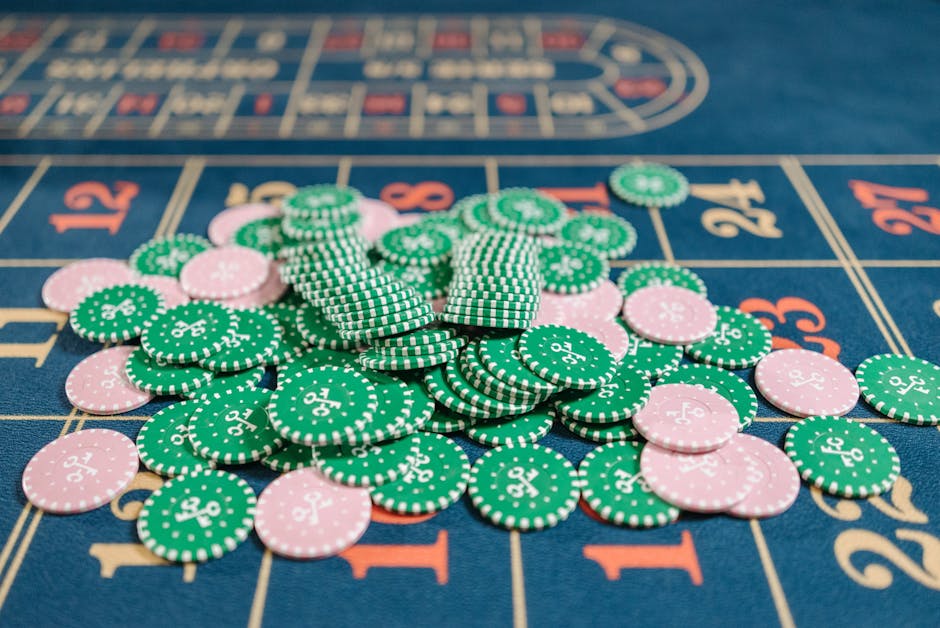
High roller identity and “whale” culture
For some people, high-limit play becomes part of how they see themselves. It may signal confidence, status, financial success, or membership in a circle where larger wagers are normal. The identity can be reinforced by a casino environment that recognizes frequent play and treats the player as a valued customer.
Whale culture also carries a mythology of boldness: the player who can withstand swings, keep their nerve, and make decisions under pressure. But that image can hide practical realities. A high wagering total does not tell you whether someone is winning, whether their play is affordable, or whether they’re chasing losses. Those are separate questions.
There is also social pressure in being known as the person who bets big. A player may feel pushed to maintain an image, return to a familiar limit, or avoid appearing cautious. That’s one reason it helps to set personal limits in advance rather than letting a reputation dictate the size of a bet.
From Vegas-style luxury to online VIP rooms
High-roller culture used to be pictured through the lens of a destination casino: a reserved table, a luxury hotel, attentive staff, and a sense of separation from the casino floor. Online casinos have shifted some of that experience into digital spaces. A player can now encounter live dealer games with professional croupiers and, in some settings, private virtual rooms designed for a more personal or less crowded session.
The change is about access and atmosphere, not automatically about better odds. A polished stream, a private-feeling setting, or a dedicated host does not change a game’s mathematical structure. Nor does an online VIP label guarantee a particular service. Features, eligibility rules, and game availability vary by operator, location, and account.
Brands such as BetMGM Casino, FanDuel Casino, and bet365 Casino may offer casino experiences in markets where they are licensed and available. Their games, rewards, VIP eligibility, and customer-service options are not identical, and they can differ by state or jurisdiction. Players should check the relevant site’s current terms rather than assume that an experience or benefit advertised elsewhere applies to their account.
VIP loyalty programs and concierge treatment
Casino VIP programs commonly connect benefits to a player’s activity, but the details can be hard to compare. A program might include a dedicated contact, event invitations, account assistance, or other service features; what’s offered depends on the operator and the player’s eligibility. A “concierge” or account manager may help with service questions, but that role should not be confused with financial advice or a guarantee of special outcomes.
Before treating VIP status as valuable, look for specifics. Does the site explicitly mention an account manager or concierge? What does that person help with? Are rewards clearly explained, and are there conditions for earning or redeeming them? If the language promises “exclusive” treatment without saying what that means, the claim doesn’t tell you much.
VIP recognition can add a sense of belonging and convenience. It can also make it harder to step away if a player feels they might lose access to a valued relationship or benefit. A responsible program should not make a customer feel pressured to increase wagers to preserve status. Players should be able to set limits, take breaks, or close an account without treating those choices as a failure.
High-limit tables and high-stakes poker ecosystems
High-limit table games create an environment where a single decision can move a substantial amount of money. Bet limits vary by game and venue, so “high limit” is not a reliable number on its own. Before playing, check the minimum and maximum bets, game rules, and any fees or other conditions that apply.
High-stakes poker has a different ecosystem. Players compete against one another, and skill, bankroll management, table selection, and experience can affect long-term performance. But no player controls every card or opponent’s decision. Tournament structures, cash-game stakes, and the strength of the field all matter, and a large buy-in is not evidence that a player is favored to win.
The social side can be just as powerful as the money. A private virtual room or a familiar high-stakes table may feel like a community, while a live dealer game can add human interaction and a sense of occasion. Those features may make play more engaging, but they can also make time and spending less noticeable. Keep track of both.
What high rollers should check before they play
Good decisions start with clear information, not with a VIP badge or a dramatic presentation. Before joining a high-limit game, review the rules and decide what the session is allowed to cost. A useful pre-play checklist includes:
- Set a loss limit: Choose an amount you can afford to lose, and stop when you reach it.
- Set a time limit: Decide when the session ends before you start, especially when playing online.
- Understand the game: Review the rules, betting range, and how results are determined.
- Read the terms: Check VIP requirements, rewards conditions, fees, and withdrawal rules. Treat phrases such as “instant payouts” cautiously unless the site gives a clear timeframe and conditions.
- Keep money separate: Don’t use funds needed for housing, bills, savings, or other essentials.
- Check your local rules: Use only services authorized in your jurisdiction and confirm the operator’s licensing information.
When the thrill starts to cost too much
Excitement is not, by itself, proof of a problem. But it’s worth pausing if gambling is taking more time or money than planned, if you’re borrowing to play, hiding losses, feeling unable to stop, or returning mainly to win back money you’ve lost. Chasing losses often increases risk rather than repairing the damage.
Use the responsible gambling tools available in your area, such as deposit or wager limits, time reminders, cooling-off periods, or self-exclusion. If gambling is causing distress or affecting relationships, finances, or work, consider speaking with a qualified counselor or a gambling-support service. In the United States, the National Problem Gambling Helpline can be reached by calling or texting 1-800-MY-RESET or visiting 1800myreset.org.

The bottom line
High rollers may chase risk because it offers intensity, a sense of agency, status, competition, or community. Online VIP rooms, live dealer games, loyalty programs, and high-stakes poker ecosystems can make that experience feel personal and prestigious. But presentation and recognition do not rewrite the odds. The clearest way to think about whale behavior is to separate the emotional reward from the financial reality: a thrilling session can still be costly, and a disciplined player should know the limit before the cards are dealt.