How Do I Tell Which Notifications to Keep On?
Your phone dgmnews should help you notice what matters—not interrupt you for every update. If alerts keep pulling you away from work, family time, or a quick break, it may be time to review your notification control settings. The goal is not to turn everything off. It is to choose alert types that are useful, timely, and worth the interruption.
This matters especially when you rely on a phone for most of your online activity. In the Philippines, mobile-first access is part of everyday life: people check messages while commuting, follow news between tasks, and open familiar apps for short sessions. A useful alert can provide a direct route back to something you care about. A noisy one can drain your attention and battery without adding much value.
Use the steps below to decide what to keep, what to quiet, and what to disable. The same approach works for news, games, shopping, social media, and other apps—including services such as BingoPlus, the Bingo Plus app, and DGM News.
Start With One Question: What Does This Alert Help Me Do?
Before changing settings, look at a notification and ask: “If I did not receive this, what useful thing would I miss?” If the answer is specific—such as a message from someone, a security warning, or an update you asked to follow—the alert may deserve to stay on. If the answer is “nothing important,” it may be a candidate to mute.
Think about the alert’s purpose rather than the app’s name. One app can send several kinds of notifications, and they may not all have the same value. A message alert can be useful while a promotional reminder from the same app is easy to skip. That is why it helps to choose alert types instead of making an all-or-nothing decision.
Alert type Keep it on when… Consider muting it when… People and direct messages You need to respond or stay in touch. The conversation is not urgent, or a group chat is very active. Security and account notices The alert helps you spot sign-in or account changes. Usually, keep important security alerts on; review promotional messages separately. News and topic updates You follow the topic and want timely headlines. Frequent updates interrupt you or repeat stories you already saw. Promotions and reminders You asked for them and find them useful. You rarely act on them, or they arrive too often.Sort Alerts Into Three Simple Groups
You do not need a complicated system. Place each notification type into one of three groups: keep, quiet, or disable. This makes notification control easier to maintain, even if you are changing settings on a smaller Android screen.
- Keep: Alerts that need your attention, protect your account, or help you respond to people.
- Quiet: Useful updates that can wait. Keep them available in the notification shade, but turn off sound, vibration, or lock-screen display if your phone offers those options.
- Disable: Alerts you consistently ignore, do not remember requesting, or find distracting without a clear benefit.
Quieting an alert can be a good middle ground. For example, you may want to see a DGM News headline when you check your phone, but not hear a sound each time a new story is posted. If an app offers controls by category, keep the updates you follow and disable the rest.
Match Alerts to Your Day and Attention
Short sessions and low attention time are normal. You might open an app for a minute while waiting, then close it when something else needs your attention. Notifications should fit those quick visits, not demand that you stay in an app or respond to every update immediately.
Ask yourself when an alert is useful. A message from a family member may be worth a sound at any time. A general update may be better delivered silently, or only when you open the app. If an alert can wait until your next planned check-in, it probably does not need to interrupt you.
Try a one-week check
- For a few days, notice which alerts you open and which you dismiss without reading.
- Write down the app and alert type—not just the app name. “Direct message” is more helpful than “social app.”
- Mute one low-value category at a time. This makes it easier to tell whether the change helped.
- After a week, review what you missed. Restore only the alerts that would have been genuinely useful.
This test is more reliable than turning off every notification after one busy afternoon. It also helps you avoid the opposite problem: leaving everything on because you worry you might miss something important.
Use Notifications for Faster Repeat Visits—Without Letting Them Take Over
A good notification can save taps. It may take you directly to a message, an update, or a page you meant to revisit. That faster route is useful when you already know why you are opening the app. But a notification should not create a reason to return just because it appeared on your screen.
When reviewing an alert, ask whether it provides a clear next step. Does tapping it open the relevant item, or does it take you to a general home screen where you must search again? Direct entry points are especially helpful on a phone, where typing and navigating through several menus can take extra time. If an alert repeatedly leads to content you did not want, disable that alert type.
For example, if you use bingoplus.com/play/bingo_plus as a direct entry point, save or open it when you choose to visit. A notification is not required just to make a site easier to find. You can also use a Facebook share when you want to send a page to someone, rather than relying on repeated alerts to bring it back to your attention.
For any service, including BingoPlus or the Bingo Plus app, decide based on the particular notification and the settings available in the app or your phone. App features and menu labels can change. Do not assume every app has the same categories or that an alert is necessary for access.
Familiar Screens Make Settings Easier to Manage
People often hesitate to change notification settings because they worry that an app will feel different afterward. In practice, the core screen may remain familiar while alerts become less intrusive. Familiarity and consistency across updates matter: a setting that stays in a predictable place is easier to find and adjust, especially when you are using a smaller phone.
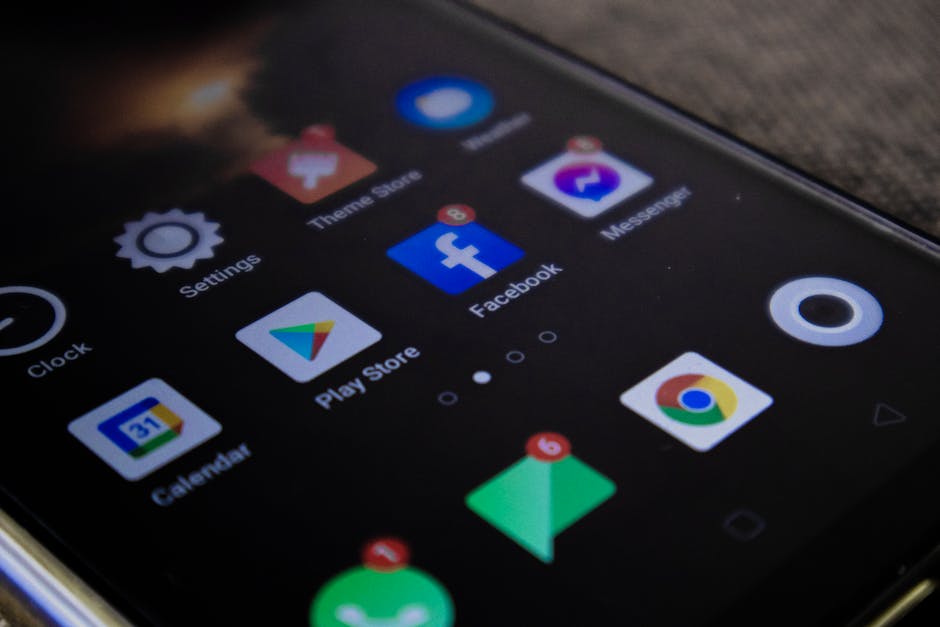
On Android, you can often manage notifications either from the app’s own settings or from your phone’s system settings. Menu names vary by Android version and device maker, so look for terms such as “Notifications,” “App notifications,” or “Notification categories.” If you cannot find a control in the app, check the system settings rather than searching through unrelated menus.
- Open your phone’s Settings.
- Tap Notifications or Apps, then find the app you want to review.
- Open its notification options and look for categories or individual alert types.
- Keep, quiet, or disable the categories you have chosen.
- Return to the app and check that important alerts are still allowed.
On a compact screen, make one change at a time and confirm the label before you tap. If a toggle’s meaning is unclear, pause and read the nearby description. A few careful taps are better than disabling all alerts and having to work out later what changed.
Be Careful With Alerts About Money or Account Activity
Some alerts may relate to purchases, deposits, withdrawals, subscriptions, or other account activity. Treat these differently from general promotions. Keep essential account and security messages visible when they help you verify an action or notice something unexpected. At the same time, check the service’s official information for the actual terms before making a financial decision.
A common mistake in app or promotional content is no pricing, fees, or deposit amounts mentioned. A notification is not a substitute for clear costs or terms. Do not assume that an alert explains a fee, deposit requirement, eligibility rule, or other condition unless those details are explicitly provided. If they are missing, look for the information in the service’s official terms or support materials before proceeding.
Keep a distinction between an alert that tells you something happened and a message that encourages you to take an action. The first may help you monitor your account; the second may be optional. If you are unsure whether an alert is official, avoid tapping links in it. Open the app or website directly using a route you trust, then check your account there.
Reduce Noise Without Missing What Matters
Think about it: if your phone is busy, you may not need to disable every app. Start with the alerts that arrive most often or interrupt you at the worst time. For many people, the biggest sources of noise are broad promotions, repeated reminders, trending topics, and group conversations that are active throughout the day.
- Turn off marketing alerts if you rarely use them.
- Keep security and direct-message alerts if you rely on them.
- Set news updates to silent or reduce them to selected topics, if those controls are available.
- Mute especially active group chats while keeping one-to-one messages on.
- Use your phone’s Do Not Disturb or focus controls during sleep, work, study, or family time.
These steps help you disable noisy alerts without losing access to the app itself. You can still open a service when you decide to. For instance, you can check a news app such as DGM News during a break instead of receiving every headline as it is published.
Review Your Choices After App Updates
Apps and Android versions change. An update may add a notification category, rename a setting, or adjust where controls appear. Your alert preferences may also reset or behave differently after changing phones. If notifications suddenly become noisy again, review the settings rather than assuming the app is broken.
Check whether the app has introduced a new category before turning all alerts off. Keep the familiar options that work for you, and change only what is necessary. This small review keeps your setup consistent across updates and makes it easier to use the app in short sessions.
A Quick Decision Checklist
Before you keep a notification on, ask:

- Is it from a person, an account-security feature, or a topic I chose to follow?
- Would I miss something important if I saw it only when I opened the app?
- Does tapping it take me directly to something useful?
- Is the alert frequent enough to interrupt me without adding value?
- Does it clearly explain any action it asks me to take, including relevant terms?
Keep alerts that protect you, connect you with people, or deliver updates you genuinely want. Quiet alerts that are useful but not urgent, and disable noisy alerts that keep asking for your attention without earning it. The best notification setup is personal: it gives you a fast way back to what matters while leaving the decision to open an app in your hands.